

















Commercial maritime traffic has resumed at Apra Harbor following authorization from the U.S. Coast Guard Captain of the Port, providing a critical economic injection for the island's business sector as post-typhoon utility recovery achieves major operational benchmarks.
As of Friday morning, the Guam Power Authority has successfully restored 66% of the island's power system load, while the Guam Waterworks Authority has re-established service to the vast majority of its customer base following the passage of Super Typhoon Bavi.
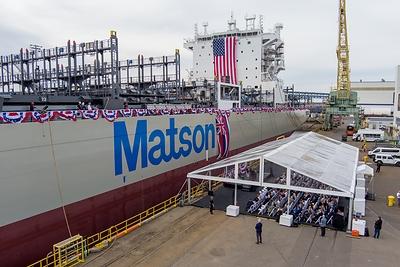
The Port Authority of Guam reopened the harbor to commercial traffic at 2:00 p.m. on Thursday, allowing essential vessel operations to resume. Cargo handling capabilities continue to expand at the terminal, where Gantry Crane six has returned to operational readiness and is available for service.
Meanwhile, Gantry Crane five remains under maintenance following load testing, and Gantry Crane four continues to undergo an operational readiness assessment.
The restoration of island power to the port’s gatehouse has eliminated the need for manual processing, accelerating the movement of cargo through the terminal. Port terminal statistics compiled at 12:00 p.m. on Thursday verified the release of 82 import containers, 136 pieces of general cargo, 96 vehicles, and three pieces of heavy equipment, while 23 export containers and 144 empty containers remained at the facility awaiting vessel loading.
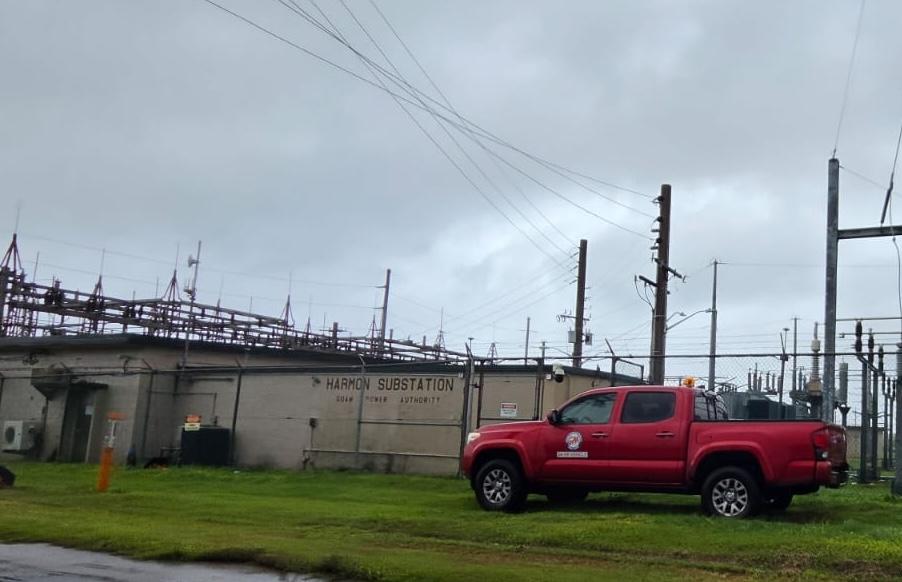
GPA has energized 73% of its feeders and circuits island-wide, representing 49 out of 67 distribution lines now partially online. Peak electricity demand has climbed to 140 megawatts, supported by a total active generation system capacity of 275 megawatts. Joyce Sayama, communications manager of the Guam Power Authority, confirmed that no generation capacity shortages are anticipated, with Piti Units eight and nine, and Ukudu Power Plant gas turbine generators one and two currently online and supplying base load power to the grid.
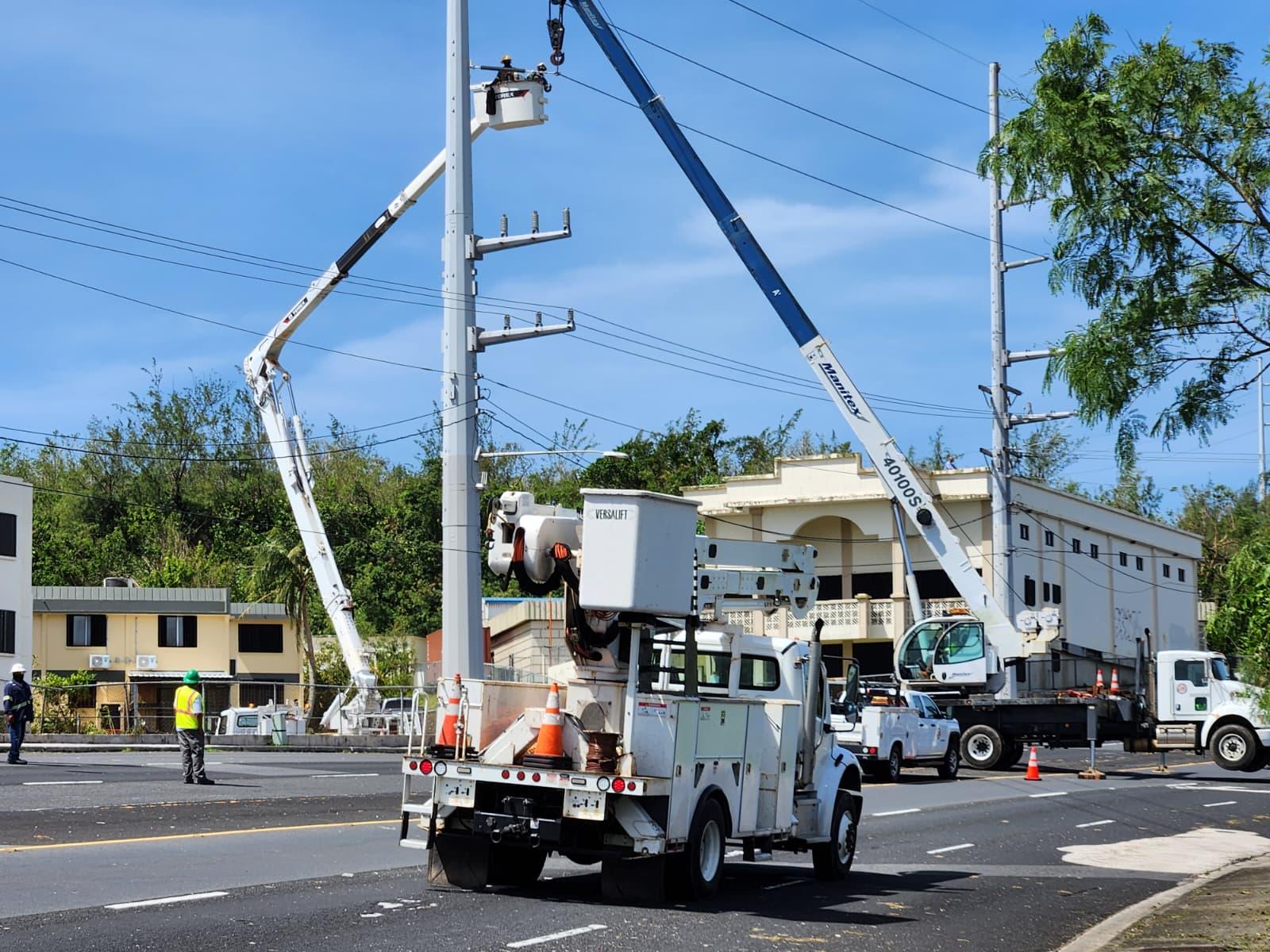
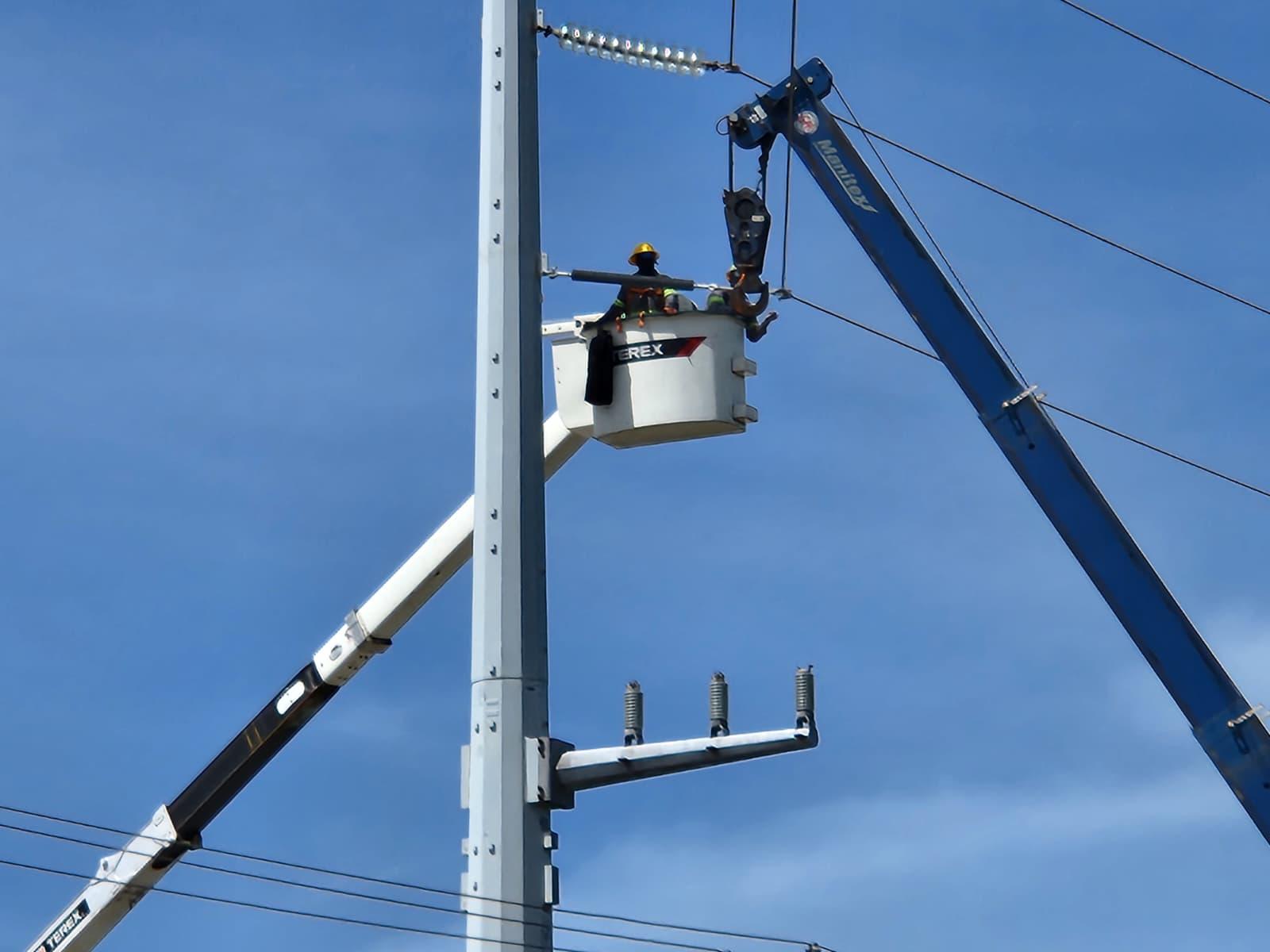
To maintain 24-hour restoration operations, 15 active line crews are working rotating 12-hour shifts to execute Phase two recovery objectives, which focus on restoring power lines with minimal damage across northern, central, and southern sectors over the next one to three days. GPA is also coordinating the transit of additional restoration assets, including eight bucket trucks, utility trucks, and step vans currently stored in Saipan.
GWA reported that water service is available to 40,906 accounts out of 43,646 total customer accounts, with repairs actively in progress for the remaining 2,740 accounts. GWA has successfully brought 77 water wells online, with 69 operating via standby generators and eight functioning on island power. Well A-30 and four booster pumps have also been restored to active service. Despite these distribution gains, a precautionary boil water notice remains in effect island-wide, and mandatory water conservation measures continue under local regulatory statutes. Solid waste management infrastructure has also expanded to accommodate rapid community cleanup demands.
The Government of Guam, in coordination with the Department of Public Works, and the Guam Environmental Protection Agency, opened a second official temporary debris disposal site in Tiyan on Friday, July 10, to accept green waste exclusively. The new facility complements the existing disposal site at Ypao Point in Tamuning, which accepts both green waste and construction debris daily through July 25. Both facilities operate from 8:00 a.m. to 5:00 p.m. daily, with entry lines closing at 4:30 p.m. to secure the premises nightly. Residents are urged to separate materials prior to arrival to maximize efficiency and preserve eligibility for Federal Emergency Management Agency disaster recovery reimbursements.
Safety officials continue to warn the public that hazardous marine conditions persist across local waters due to a trailing monsoon pattern generated by Super Typhoon Bavi. The National Weather Service extended a high surf advisory, a high rip current risk, and a small craft advisory through 4:00 p.m. Friday. Large breaking waves up to 12 feet are forecast along southern and western reefs, accompanied by dangerous rip currents and localized beach erosion, while seas of seven to 10 feet continue to create hazardous conditions for small vessels. The public is strictly advised to stay out of the water and avoid all affected beaches, reefs, jetties, and piers until marine conditions improve. mbj