In a blow for the region, the Bureau of Ocean Energy Management released the Area ID Memo for the Northern Mariana Islands on March 19, CHamoru Standard Time.
In addition to the 35 million acres east of the Mariana Islands originally identified, BOEM has added for consideration a 33-million-acre area west of the islands to the Request for Information and Interest.
The Bureau of Ocean Energy Management released the Area ID Memo for the Northern Marianas on March 19.
Douglas P. Boren, regional director for the Pacific Region of BOEM, said in the memo that “Area Identification … is a major step in the Bureau of Ocean Energy Management’s … Outer Continental Shelf …mineral leasing process to develop a recommendation for an area to be carried forward for further leasing consideration and environmental analysis offshore the Commonwealth of Northern Mariana Islands.”
He also said, “The Area ID decision is not a final decision to lease nor is it an irreversible or irretrievable commitment of resources. The Area ID decision to support a potential OCS mineral lease sale offshore the CNMI … “
JeffersThe memo noted the response of Gov. David I Atapang as “stating that he will neither fully support nor fully oppose advancing seabed mining activities based on information contained in the RFI. He requested that prior to any leasing decisions, the following be conducted: comprehensive scientific data and baseline environmental information, a full Environmental Impact Statement … , clear economic benefit pathways, and meaningful government-to-government and community engagement.”
In addition, the memo quoted the response of the Leon Guerrero-Tenorio administration, and its “opposition to the proposed commercial leasing of OCS minerals offshore the CNMI. Top government leaders requested: a halt to the leasing process; inclusion of Guam in further discussion and decisions; initiation of a regional EIS; sufficient scientific research and analysis of the environmental, ecological, economic, and marine life impacts of seabed mining; and assurance that any future policy aligns with U.S. commitments to Indigenous rights and environmental protection.”
The Journal received the early morning of March 19, the same news from the Center for Biological Diversity, and the following comments from Emily Jeffers, senior attorney with the center. "The Trump administration just literally doubled down on one of the most reckless ocean giveaways in history, for the untested gamble of deep-sea mining.
“Despite tens of thousands of comments opposing destructive deep-sea mining, many from local people, the federal government actually doubled the proposed mining area to almost 70 million acres. It's a sad day for the people and wildlife who depend on a healthy ocean."
In addition, the Journal received the following comment from Angelo Villagomez, a senior fellow at the Center for American Progress in Washington, D.C. also sent a release.
“This decision to advance the largest seabed mining proposal in U.S. history ignores the overwhelming concerns voiced by the people and local governments. It pushes forward an industrial experiment in one of the most biodiverse and culturally significant ocean regions on earth,” he said. Villagomez
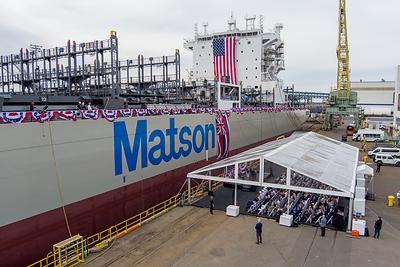
Matson Inc. and Hanwha Philly Shipyard Inc. held a christening ceremony for the Aloha Class Vessel Makua, set to serve Guam in the first quarter of 2027, at the Hanwha Philly Shipyard, Philadelphia on Oct. 12.
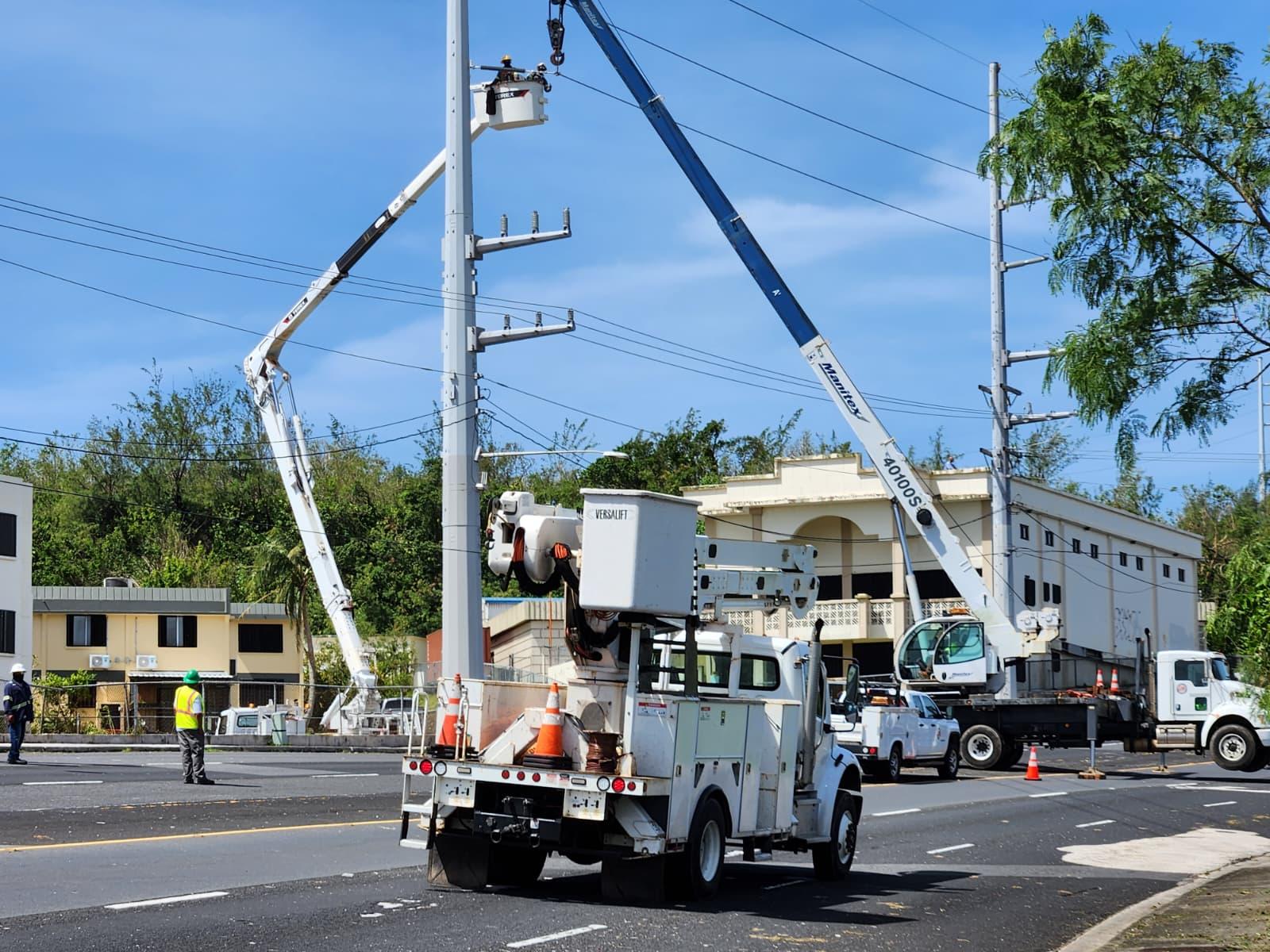
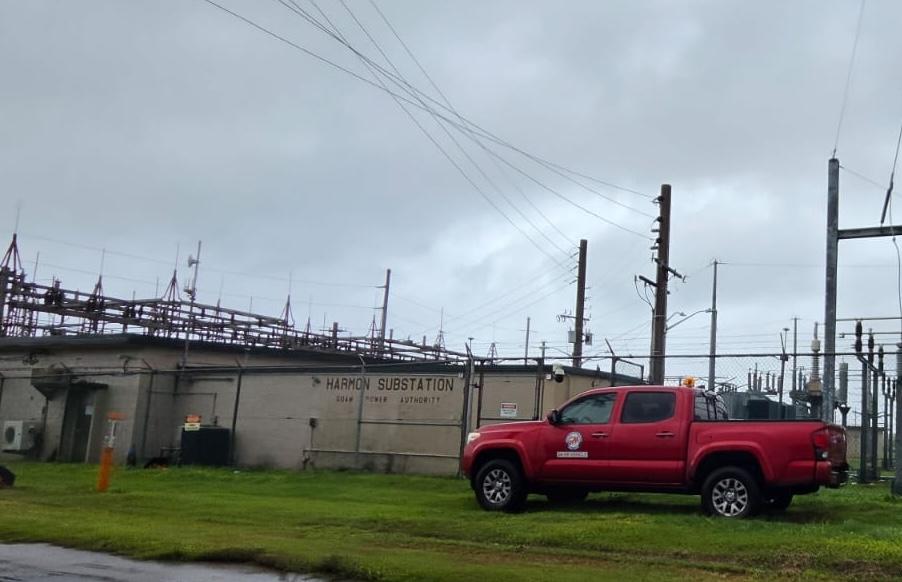
Essential infrastructure, commercial fuel stations, and private health facilities across Guam are swiftly reopening following the passage of Super Typhoon Champi, with key transportation hubs and utility providers moving into full recovery status.
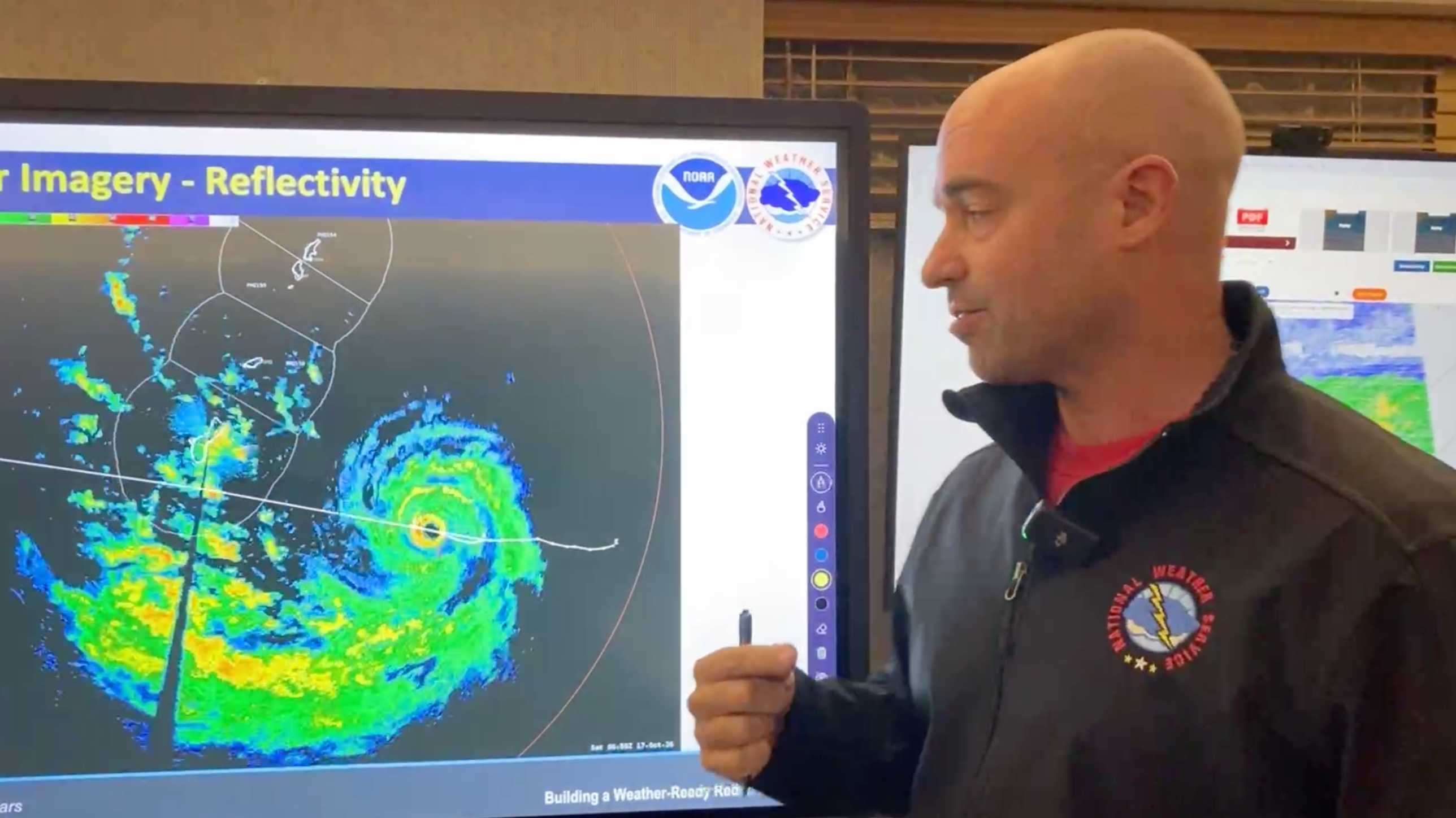
Just hours after Super Typhoon Champi passed south of Guam, President Donald Trump approved Gov. Lourdes A. Leon Guerrero's request for an emergency declaration, which authorizes the Department of Homeland Security's Federal Emergency Management Agency to coordinate emergency assistance.
Typhoon Champi is now expected to be a Category 4 storm, with winds of 130 to 156 mph and gusts of more than 180 mph, when it makes its closest approach to Guam.