












BY DANIEL M. PEREZ
Journal Staff
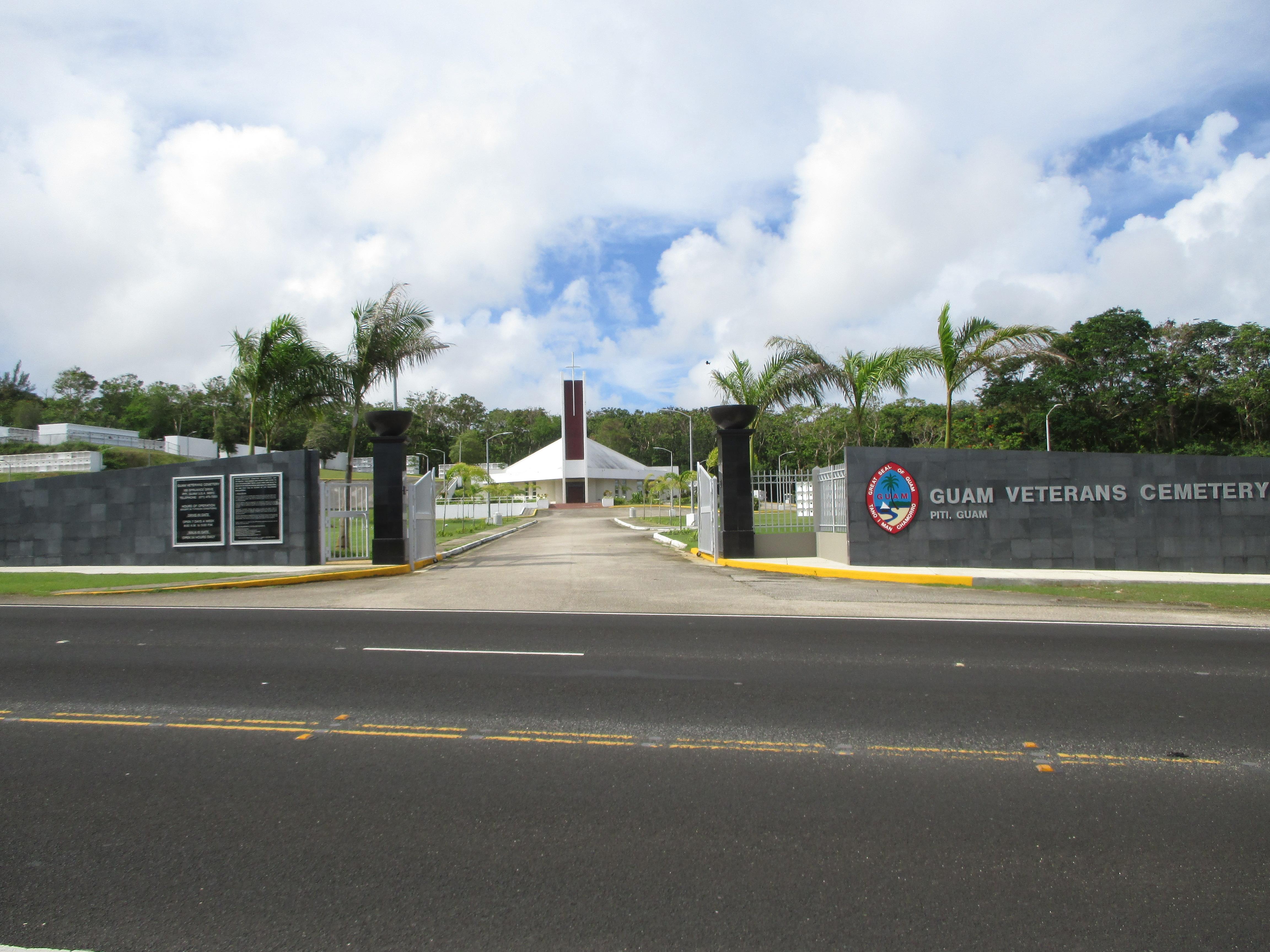
HAGÅTÑA, Guam — A $15.4 million federal grant dedicated to expanding the Guam Veterans Cemetery is at risk of being rescinded following a mounting legal dispute between veterans leadership and the island’s top prosecutor.
The funding faces a strict Sept. 30 federal obligation deadline set by the National Cemetery Administration and has become a primary point of contention over administrative processing and local procurement compliance.
Jose San Agustin, director of the Guam Office of Veterans Affairs, raised alarms during a legislative oversight hearing over the timeline of the Piti cemetery expansion, stating that the project is "probably not going to make it" due to prolonged delays in the contract approval pipeline.
San Agustin expressed frustration with the pace of the legal review, noting that the architectural and engineering consultant contract package has been pending inside the prosecutor's office since before recent typhoons. The expansion is critical to add 1,480 above-ground crypts to alleviate the rapidly diminishing burial capacity of the current facility, which officials estimate has fewer than four years of remaining lifespan.
Attorney General Douglas Moylan, sharply disputed the assertions made by the veterans affairs leadership, arguing that the delays stem entirely from the line agency’s own failure to submit a legally sound document. Moylan stated that the contract returned to the agency contained multiple legal deficiencies and completely lacked critical supporting documentation required under local procurement mandates.
The attorney general emphasized that his office will not rubber-stamp flawed agreements, reasserting that timeline pressure does not excuse non-compliance with statutory safeguards.
The $15.4 million project is designed to build additional infrastructure, install necessary drainage mitigation systems, and finalize architectural specifications across the property. Federal guidelines dictate that if the design contract is not fully executed and approved by local authorities within the specified window, the funding opportunity will be de-obligated and returned to the federal government.
Line agency officials and legal technicians are reportedly working to correct the contractual errors highlighted by the prosecutors, though it remains uncertain if the revisions can be completed, reviewed, and signed before the federal expiration date.
In related news, while Guam officials navigate local administrative gridlock to preserve federal cemetery funding, broader regional legislative initiatives are underway to address healthcare access inequities impacting veterans throughout the rest of Micronesia.
Kimberlyn King-Hinds, delegate for the Northern Mariana Islands to the U.S. House of Representatives, introduced House Resolution 9316, titled the Travel Assistance for Veterans in Medical Deserts Act. The proposed legislation aims to expand eligibility for the U.S. Department of Veterans Affairs beneficiary travel reimbursements to encompass veterans residing within the Northern Mariana Islands and the Freely Associated States.
Under current federal statutes, travel reimbursement options are generally restricted to veterans who maintain a service-connected disability rating of 30% or higher. Because neither jurisdiction operates local federal medical facilities, veterans living in these regions face substantial out-of-pocket costs for regional or international air travel to receive basic clinical care. The new measure would formally permit veterans residing in these territories and freely associated nations to qualify for full beneficiary travel reimbursements regardless of their specific disability ratings when no local VA medical facility exists within their immediate jurisdiction. "Our veterans should not be financially penalized because they live in communities where the federal government does not provide local access to VA healthcare," King-Hinds said.
The delegate emphasized that the geographic realities of the Pacific place distinct burdens on island veterans, noting that obtaining care often requires "purchasing airfare, arranging lodging, and spending days away from work and family simply to attend a medical appointment." Highlighting that the NMI and the Freely Associated States have historically answered the call to service at some of the highest per-capita rates in the nation, King-Hinds stated that Congress holds an ongoing responsibility to ensure that geography does not act as a barrier to the medical benefits veterans earned through their service. mbj
Journal Staff
HAGÅTÑA, Guam — A $15.4 million federal grant dedicated to expanding the Guam Veterans Cemetery is at risk of being rescinded following a mounting legal dispute between veterans leadership and the island’s top prosecutor.
The funding faces a strict Sept. 30 federal obligation deadline set by the National Cemetery Administration and has become a primary point of contention over administrative processing and local procurement compliance.
Jose San Agustin, director of the Guam Office of Veterans Affairs, raised alarms during a legislative oversight hearing over the timeline of the Piti cemetery expansion, stating that the project is "probably not going to make it" due to prolonged delays in the contract approval pipeline.
San Agustin expressed frustration with the pace of the legal review, noting that the architectural and engineering consultant contract package has been pending inside the prosecutor's office since before recent typhoons. The expansion is critical to add 1,480 above-ground crypts to alleviate the rapidly diminishing burial capacity of the current facility, which officials estimate has fewer than four years of remaining lifespan.
Attorney General Douglas Moylan, sharply disputed the assertions made by the veterans affairs leadership, arguing that the delays stem entirely from the line agency’s own failure to submit a legally sound document. Moylan stated that the contract returned to the agency contained multiple legal deficiencies and completely lacked critical supporting documentation required under local procurement mandates.
The attorney general emphasized that his office will not rubber-stamp flawed agreements, reasserting that timeline pressure does not excuse non-compliance with statutory safeguards.
The $15.4 million project is designed to build additional infrastructure, install necessary drainage mitigation systems, and finalize architectural specifications across the property. Federal guidelines dictate that if the design contract is not fully executed and approved by local authorities within the specified window, the funding opportunity will be de-obligated and returned to the federal government.
Line agency officials and legal technicians are reportedly working to correct the contractual errors highlighted by the prosecutors, though it remains uncertain if the revisions can be completed, reviewed, and signed before the federal expiration date.
In related news, while Guam officials navigate local administrative gridlock to preserve federal cemetery funding, broader regional legislative initiatives are underway to address healthcare access inequities impacting veterans throughout the rest of Micronesia.
Kimberlyn King-Hinds, delegate for the Northern Mariana Islands to the U.S. House of Representatives, introduced House Resolution 9316, titled the Travel Assistance for Veterans in Medical Deserts Act. The proposed legislation aims to expand eligibility for the U.S. Department of Veterans Affairs beneficiary travel reimbursements to encompass veterans residing within the Northern Mariana Islands and the Freely Associated States.
Under current federal statutes, travel reimbursement options are generally restricted to veterans who maintain a service-connected disability rating of 30% or higher. Because neither jurisdiction operates local federal medical facilities, veterans living in these regions face substantial out-of-pocket costs for regional or international air travel to receive basic clinical care. The new measure would formally permit veterans residing in these territories and freely associated nations to qualify for full beneficiary travel reimbursements regardless of their specific disability ratings when no local VA medical facility exists within their immediate jurisdiction. "Our veterans should not be financially penalized because they live in communities where the federal government does not provide local access to VA healthcare," King-Hinds said.
The delegate emphasized that the geographic realities of the Pacific place distinct burdens on island veterans, noting that obtaining care often requires "purchasing airfare, arranging lodging, and spending days away from work and family simply to attend a medical appointment." Highlighting that the NMI and the Freely Associated States have historically answered the call to service at some of the highest per-capita rates in the nation, King-Hinds stated that Congress holds an ongoing responsibility to ensure that geography does not act as a barrier to the medical benefits veterans earned through their service. mbj