












BY DANIEL M. PEREZ
Journal Staff
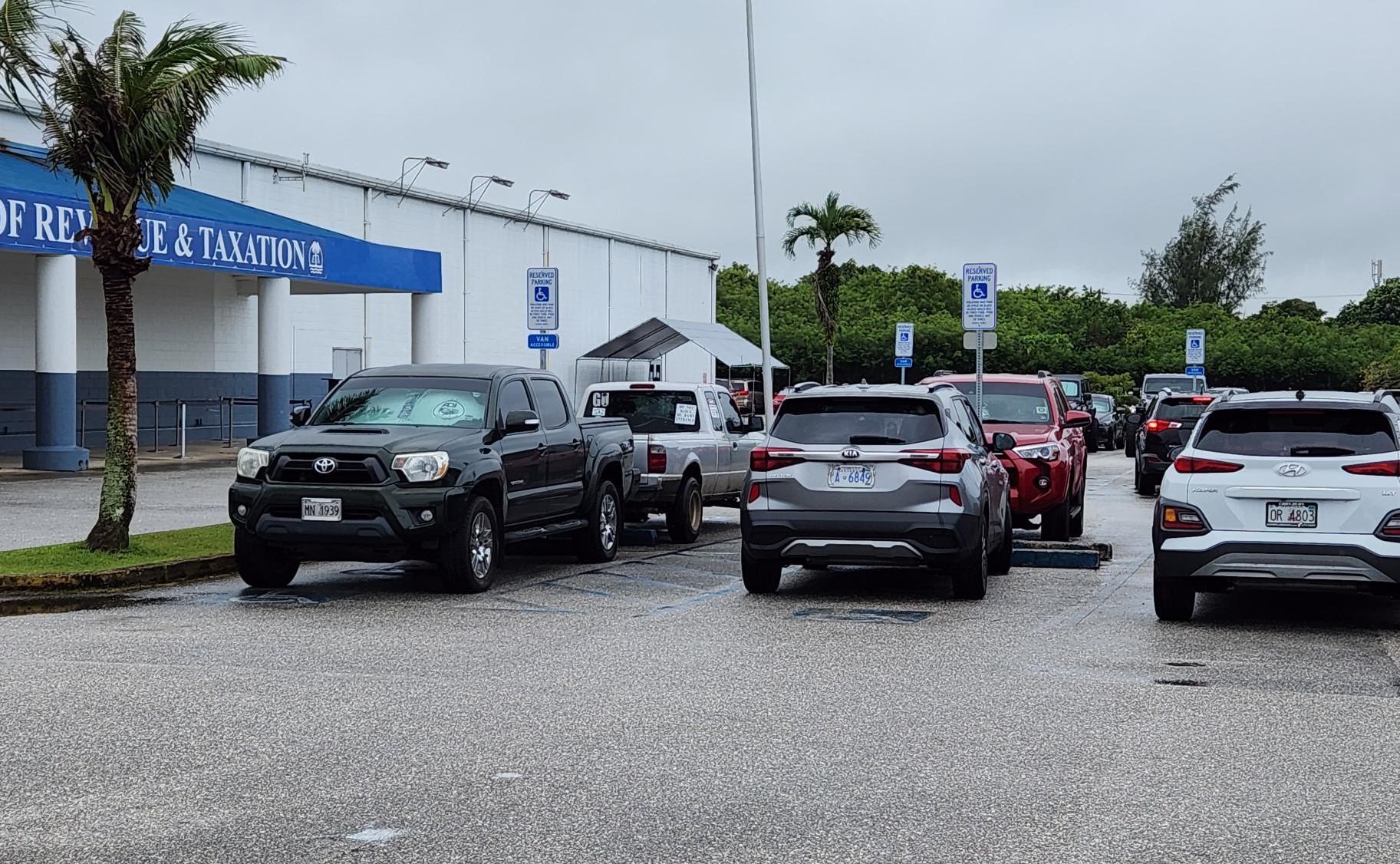
Legislation introduced in the Guam Legislature on June 15 seeks to authorize a public-private partnership to design, construct, finance, and maintain a new, permanent headquarters facility for the Guam Department of Revenue and Taxation on publicly owned land.
Jesse A. Lujan, majority leader and chairman of the Committee on Transportation, Tourism, Customs, Utilities and Federal & Foreign Affairs for the Guam Legislature, introduced Bill No. 332-38 (COR) to transition the agency away from commercial leasing and toward long-term public ownership.
The proposed Department of Revenue and Taxation Headquarters Ownership and Modernization Efficiency Act, or the DRT H.O.M.E. Act, outlines a structural development strategy to address longstanding leasing costs. According to financial data released by the senator's office, the department currently expends approximately $1.3 million annually to lease an outdated warehouse facility in Barrigada.
The government has occupied the 50,000-square-foot space since approximately 2006, spending upward of $25 million over two decades without acquiring any equity or ownership interest.
The current Barrigada facility, owned by Joeten Enterprises Inc., which the department has occupied since approximately 2006, was secured as a consolidation effort following the closure of the PriceSmart membership warehouse in 2003. At the time, the agency sought to centralize its operations under one roof to resolve inefficiencies stemming from being physically spread across multiple locations, including offices in the Pacific News Building in Hagåtña.
Before the relocation to Barrigada, the department had been housed in the former Naval Air Station in Tiyan since October 1995. Operations there were frequently hindered by environmental factors, as the aging infrastructure suffered from severe leaks during heavy rainfall, which negatively impacted tax enforcement and filing divisions.
Although department leadership had identified the need for a permanent, government-owned facility as early as two decades ago, fiscal constraints at the time prevented those long-term infrastructure plans from coming to fruition.
The legislative text of the measure notes that the existing leased structure continues to suffer from severe infrastructure deficiencies affecting heating, ventilation, air conditioning, plumbing, and core building systems, resulting in recurring public service disruptions. The proposed law mandates that the private contractor assume full responsibility for all upfront costs, civil improvements, on-site infrastructure, permitting, and financing. The contractor would additionally absorb all routine and capital maintenance obligations during the lease-back term, while the government maintains long-term control of the underlying public asset.
Project financing would be executed via tax-exempt bonds to minimize public expenditures, with provisions allowing a pledge of Compact Impact funds, Section 30 funds, or alternative federal grant revenues. The statutory guidelines require the selected property to be situated along Marine Corps Drive in northern-central Guam to guarantee high visibility, convenient parking, and efficient vehicular ingress and egress. The legislation establishes a rigid timeline, dictating that site selection conclude within six months of enactment, followed by a comprehensive implementation plan delivered to lawmakers within nine months.
"Instead of continuing to pour millions into rent for an obsolete building, we should use those dollars to build equity, improve service delivery, and give DRT employees and taxpayers a safe, modern, and accessible facility," Lujan said. The major headquarters overhaul coincides with broader logistical modernizations at the department designed to mitigate administrative bottlenecks and improve consumer experiences. Recent operational updates include the strict designation of Wednesdays as family-only processing days at the Guam Passport Office to better manage daily foot traffic.
Concurrently, separate regulatory initiatives from the Division of Motor Vehicles aim to streamline licensing frameworks by allowing adult applicants to completely bypass the traditional learner's permit phase. mbj
Journal Staff
Legislation introduced in the Guam Legislature on June 15 seeks to authorize a public-private partnership to design, construct, finance, and maintain a new, permanent headquarters facility for the Guam Department of Revenue and Taxation on publicly owned land.
Jesse A. Lujan, majority leader and chairman of the Committee on Transportation, Tourism, Customs, Utilities and Federal & Foreign Affairs for the Guam Legislature, introduced Bill No. 332-38 (COR) to transition the agency away from commercial leasing and toward long-term public ownership.
The proposed Department of Revenue and Taxation Headquarters Ownership and Modernization Efficiency Act, or the DRT H.O.M.E. Act, outlines a structural development strategy to address longstanding leasing costs. According to financial data released by the senator's office, the department currently expends approximately $1.3 million annually to lease an outdated warehouse facility in Barrigada.
The government has occupied the 50,000-square-foot space since approximately 2006, spending upward of $25 million over two decades without acquiring any equity or ownership interest.
The current Barrigada facility, owned by Joeten Enterprises Inc., which the department has occupied since approximately 2006, was secured as a consolidation effort following the closure of the PriceSmart membership warehouse in 2003. At the time, the agency sought to centralize its operations under one roof to resolve inefficiencies stemming from being physically spread across multiple locations, including offices in the Pacific News Building in Hagåtña.
Before the relocation to Barrigada, the department had been housed in the former Naval Air Station in Tiyan since October 1995. Operations there were frequently hindered by environmental factors, as the aging infrastructure suffered from severe leaks during heavy rainfall, which negatively impacted tax enforcement and filing divisions.
Although department leadership had identified the need for a permanent, government-owned facility as early as two decades ago, fiscal constraints at the time prevented those long-term infrastructure plans from coming to fruition.
The legislative text of the measure notes that the existing leased structure continues to suffer from severe infrastructure deficiencies affecting heating, ventilation, air conditioning, plumbing, and core building systems, resulting in recurring public service disruptions. The proposed law mandates that the private contractor assume full responsibility for all upfront costs, civil improvements, on-site infrastructure, permitting, and financing. The contractor would additionally absorb all routine and capital maintenance obligations during the lease-back term, while the government maintains long-term control of the underlying public asset.
Project financing would be executed via tax-exempt bonds to minimize public expenditures, with provisions allowing a pledge of Compact Impact funds, Section 30 funds, or alternative federal grant revenues. The statutory guidelines require the selected property to be situated along Marine Corps Drive in northern-central Guam to guarantee high visibility, convenient parking, and efficient vehicular ingress and egress. The legislation establishes a rigid timeline, dictating that site selection conclude within six months of enactment, followed by a comprehensive implementation plan delivered to lawmakers within nine months.
"Instead of continuing to pour millions into rent for an obsolete building, we should use those dollars to build equity, improve service delivery, and give DRT employees and taxpayers a safe, modern, and accessible facility," Lujan said. The major headquarters overhaul coincides with broader logistical modernizations at the department designed to mitigate administrative bottlenecks and improve consumer experiences. Recent operational updates include the strict designation of Wednesdays as family-only processing days at the Guam Passport Office to better manage daily foot traffic.
Concurrently, separate regulatory initiatives from the Division of Motor Vehicles aim to streamline licensing frameworks by allowing adult applicants to completely bypass the traditional learner's permit phase. mbj