













KOROR, Palau — Leaders and officials converged here this week on the margins of the 55th Pacific Islands Forum Leaders Meeting, announcing a series of financial commitments aimed at bolstering the region’s fiscal stability, energy security and border security.
On Sept. 1, the Asian Development Bank formalized a new subregional presence in the North Pacific. At a ceremony at the Ngarachamayong Cultural Center, Federated States of Micronesia President Wesley Simina signed an agreement with ADB President Masato Kanda establishing Pohnpei as the site of the bank’s upgraded North Pacific Subregional Office.
Kanda also announced the opening of a North Pacific Private Sector Hub in Palau. President Surangel Whipps Jr. thanked Kanda and ADB for working with the Pacific. Whipps, echoing President Hilda Heine, Republic of Marshall Islands, said the work should focus on helping all three of the Compact of Freely Associated nations.
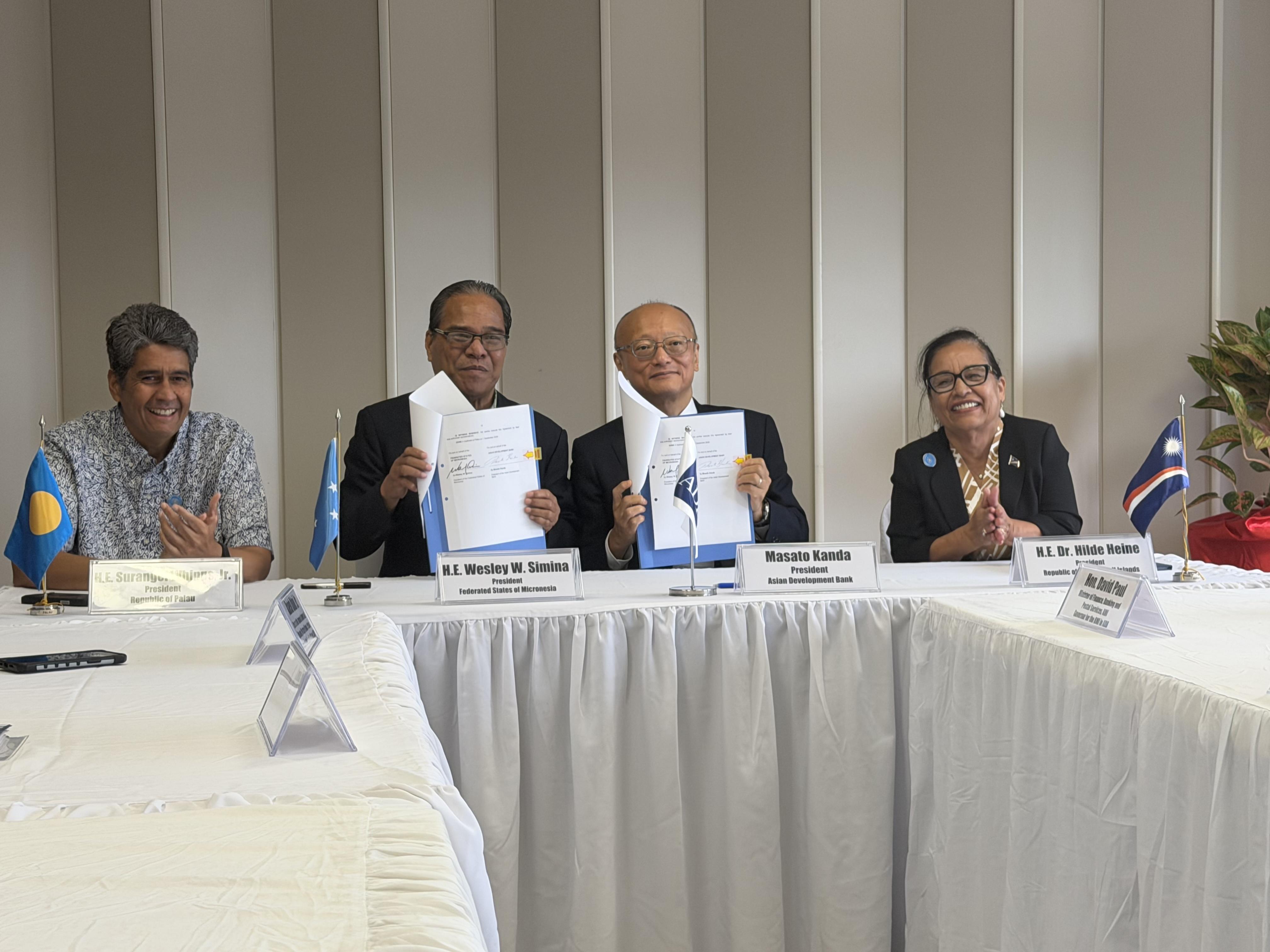
“Congratulations to President Simina … and I thank the ADB for giving Palau the oportunity to host the private sector. Like President Heine said, it’s … our responsibility to help building the private sector for all of us,” he said.
Though headquartered in Pohnpei, the subregional office is intended to serve the FSM, the Marshall Islands and Palau equally, and is expected to be operational before year’s end. Heine called the facilities a step toward bringing development financing and technical expertise closer to North Pacific communities, saying they could help strengthen national institutions, expand private investment and create economic opportunities for the region’s young people.
Kanda said ADB’s active North Pacific portfolio has grown from four projects worth $39 million in 2011 to 22 projects worth about $320 million today.
Separately, Kanda met with Whipps to discuss Palau’s fiscal position and energy plans amid global economic headwinds tied to the Middle East conflict. Kanda witnessed the signing of a $12.5 million concessional loan, cofinanced by New Zealand, completing a fiscal resilience program that has helped Palau reduce public debt, strengthen revenue collection and rebuild fiscal buffers, and that established a Debt and Investment Office, disaster and downturn cushioning funds, and a National Planning Office.
“Palau has built real fiscal strength, and that strength is what allows a small economy to absorb shocks it did not create,” Kanda said, adding that diversifying energy supply is what reduces a country’s underlying exposure to such shocks.
Diesel generates roughly three-quarters of Palau’s electricity, according to ADB, leaving the country vulnerable to swings in global fuel prices. ADB has more than $600 million in energy projects underway across the Pacific. Kanda also previewed the bank’s forthcoming Pacific Approach, a strategy guiding its partnerships with 12 Pacific members through 2030, and held additional meetings throughout the Forum with leaders of other Pacific island countries.
The following day, Sept. 2, the United States and Australia announced their own funding commitments at the Forum, together totaling $580 million.
Deputy Secretary of State Christopher Landau announced the U.S. will donate $150 million, including $60 million to help Pacific countries address the global energy crisis by expanding fuel storage capacity and supporting grid stability. Gasoline prices in the islands have climbed since the onset of the war with Iran, driven by the region’s reliance on imported fuel and volatile global markets; in Palau, prices currently range from $6.75 to $7.07 per gallon.
Australia pledged $430 million to combat drug smuggling in the region, including funding for enhanced aerial surveillance and additional training for police and border officials.
The announcement follows a May 7 report from the Lowy Institute in which José Sousa-Santos, associate professor and head of the Pacific Regional Security Hub at the University of Canterbury’s Macmillan Brown Centre for Pacific Studies, said transnational criminal networks are consolidating control over Pacific drug trafficking routes. He said the networks are using technology to adapt their tactics and evade detection, building what he described as a trafficking system built for redundancy rather than protecting any single shipment. mbj
Reporting contributed by Oyaol Ngirairikl and Maureen N. Maratita.
ADB, U.S. and Australia announce major funding pledges on sidelines of 55th Pacific Islands Forum
ADB, U.S. and Australia announce major funding pledges on sidelines of 55th Pacific Islands Forum
- Date Posted: Sep 03, 2026
- News: Federated States of Micronesia, Japan, Marshall Islands, Palau
-
Share this News
ADB, U.S. and Australia announce major funding pledges on sidelines of 55th Pacific Islands Forum
Recommended Articles...
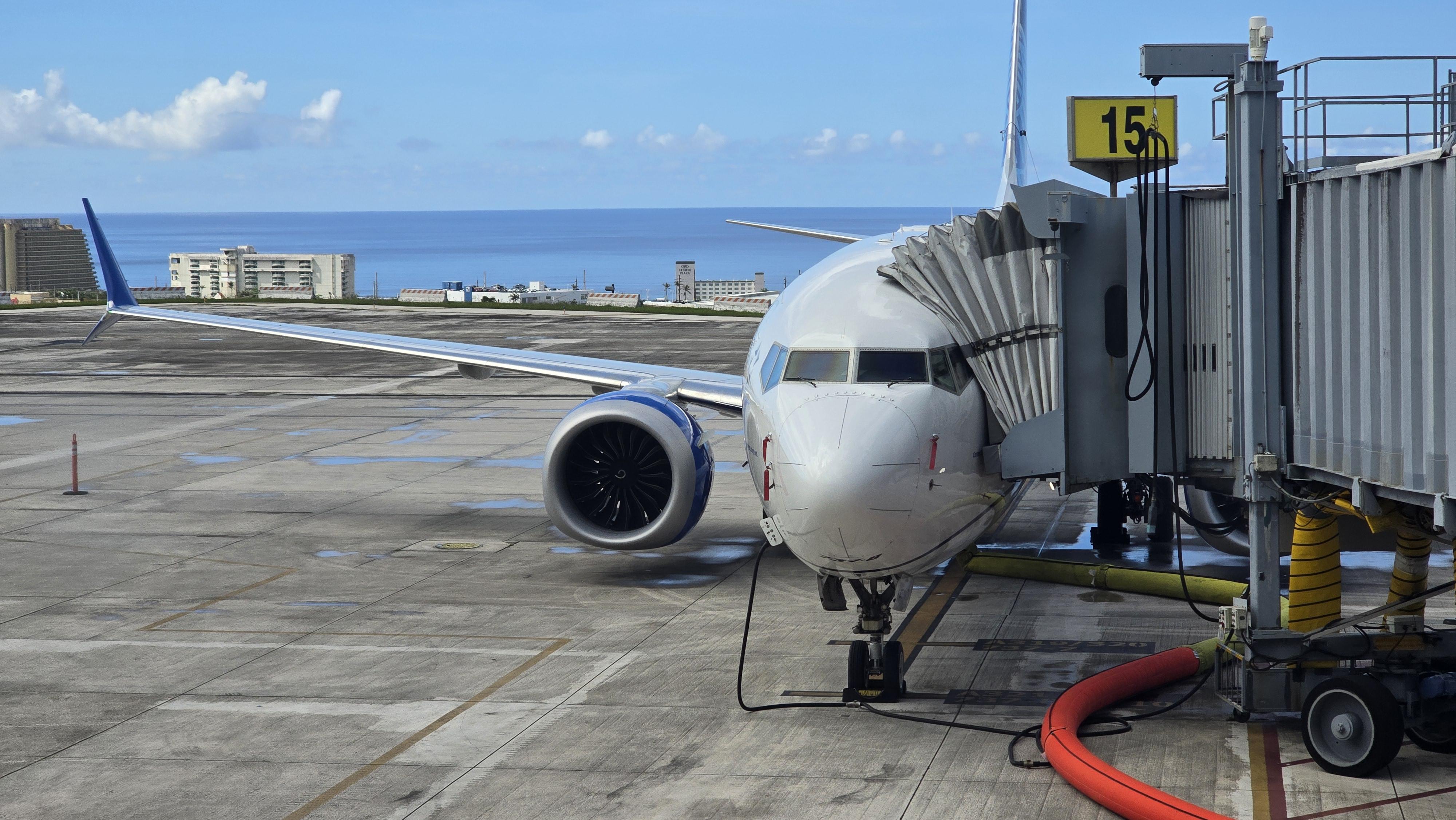
Airline emphasizes commitment to Guam and the region
If there was an overarching message from David Kinzelman, chief customer officer and senior vice president for airport operations, during his visit, it was that the region is not only important to the airline, but that its customers receive the same attention as anywhere else in the United network.
Read More 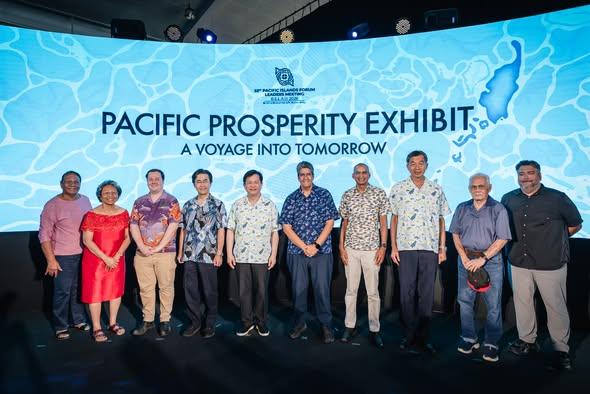
Senior diplomats are in Palau for the Pacific Island Forum
The Pacific Prosperity Exhibit officially opened Aug. 27 at the Palau National Gym ahead of the 55th Pacific Islands Forum Leaders Meeting.
Read More 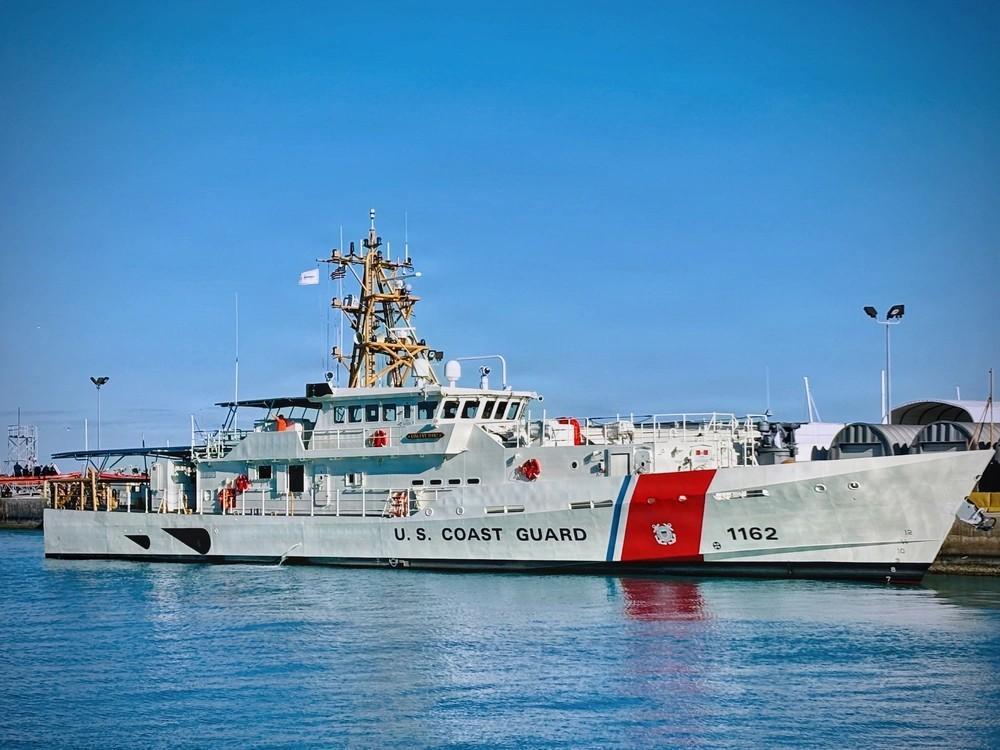
Coast Guard cutter Vincent Danz joins search effort, welcome ceremony postponed
The Vincent Danz joined a search for a missing skiff, with several people aboard, near the Federated States of Micronesia on Aug. 4.
Read More 
Regional monsoon to strengthen as tropical disturbance lingers near Yap
A regional tropical cyclone formation alert has been issued as a developing weather disturbance northwest of Yap threatens to strengthen the seasonal monsoon across western Micronesia and the Mariana Islands.
Read More